The All-Time Review Score May Describe a Game That No Longer Exists
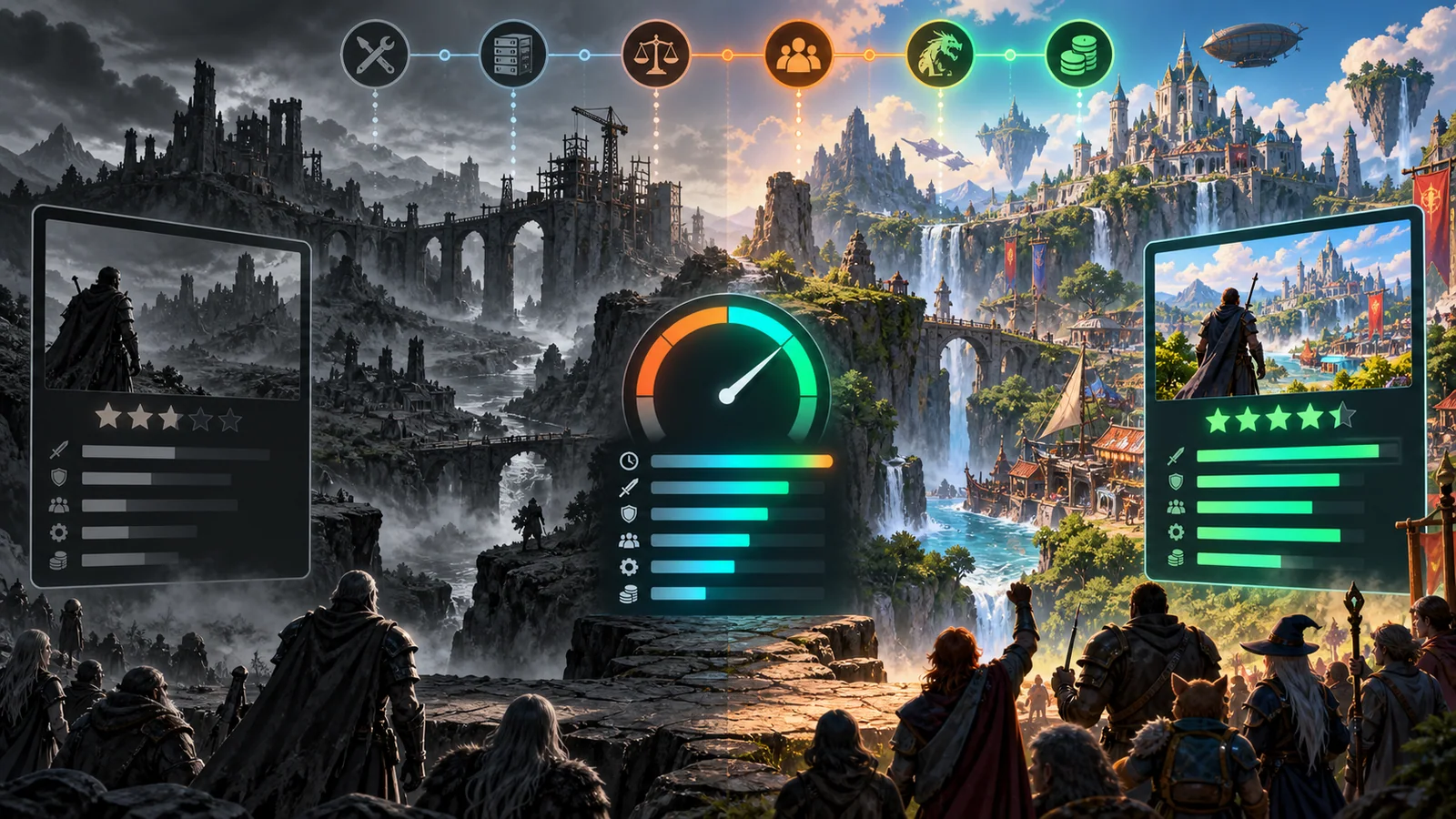
A live game with eight years of positive reviews can ship one disastrous update and remain “Very Positive.” A beloved recovery can spend months trapped under an old launch score. The lifetime percentage is mathematically real and temporally blunt.
Use four windows
- Lifetime score for broad historical reception.
- Recent score for current sentiment.
- Dated reviews tied to your platform and version.
- Official patch, service, and monetization notes explaining what changed.
Recent reviews can be distorted by off-topic campaigns, regional issues, or a short-lived outage. Steam can flag and exclude periods of off-topic review activity from its displayed score. That makes context essential, not optional.
Slay the Spire 2’s official page, for example, separately displays lifetime and recent summaries and notes off-topic activity. The numbers answer different questions.
Ranking rule
Score the game someone buys today. Preserve the historical score as context and date every verdict.
Reference
Key takeaway
Lifetime reception is the game’s biography. Recent evidence is its current medical chart. Read both before ranking the patient.
Steam reviewsreview scoreslive service gamesrankings